
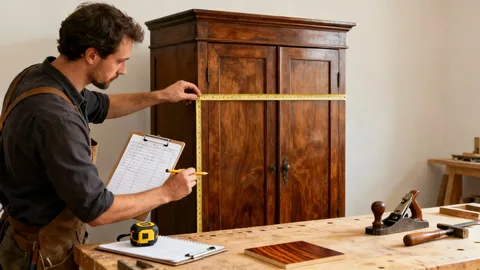
Furniture can carry practical, decorative, and sentimental value, but years of use can leave wood surfaces scratched, finishes faded, joints loose, or details worn. Replacing an older piece is not always the only option. When the underlying furniture remains suitable for restoration, careful work can help bring back its appearance and usability.
Capital Carpentry provides carpentry-focused solutions that include furniture restoration for property owners who want to improve existing pieces. Restoration requires attention to the furniture’s materials, construction, finish, and existing condition.
Furniture Restoration can involve repairing worn components, refreshing surfaces, addressing structural concerns, and improving the overall appearance of an existing piece. The right approach depends on whether the furniture needs cosmetic improvement, functional repair, or a combination of both.
Understanding the condition of a piece before beginning restoration helps determine what work is appropriate and how the finished result should look.
Why Furniture Restoration Can Be a Practical Choice
Older furniture can develop visible wear without losing its usefulness. Scratches, faded finishes, damaged edges, and loose components may affect appearance and function.
Furniture Restoration can help address:
- Surface wear
- Damaged finishes
- Loose components
- Minor structural problems
- Aging appearance
- General deterioration
Restoring an existing piece can also preserve details that may be difficult to reproduce in newer furniture.
The goal is to improve the piece while maintaining its original character where appropriate.
Restoring Furniture in Roseville
Furniture in Roseville, CA can experience years of regular household use. Dining tables, cabinets, chairs, desks, and other wood pieces may gradually show signs of wear through everyday handling.
Custom furniture restoration solutions in Roseville, CA can help property owners improve aging pieces while maintaining their original style and character.
Evaluating Furniture Before Restoration
A proper evaluation should come before restoration work begins. Different problems require different approaches.
Important considerations include:
- Type of wood or material
- Existing finish
- Surface condition
- Joint stability
- Visible damage
- Original design details
Understanding these factors helps determine which restoration techniques are appropriate.
Repairing More Than Surface Damage
Furniture restoration is not limited to making a piece look better. Functional problems may also need attention.
Depending on the furniture, restoration work may involve:
- Repairing loose joints
- Addressing damaged wood
- Improving worn components
- Refreshing surfaces
- Restoring functional details
A combination of repair and surface work can help return furniture to better working condition.
Understanding the Furniture Restoration Process
Every furniture piece has different restoration requirements. A careful process helps protect the material and achieve a consistent result.
The work may include:
- Inspecting the furniture
- Identifying damaged or worn areas
- Planning appropriate repairs
- Preparing affected surfaces
- Completing restoration work
- Reviewing the finished piece
Why Proper Furniture Restoration Matters
Effective Furniture Restoration requires an understanding of materials, construction, finishes, and repair techniques. Using an unsuitable method can damage the original surface or change the appearance of the piece unnecessarily.
A thoughtful restoration approach focuses on the condition and construction of the furniture rather than applying the same process to every item.
Capital Carpentry helps property owners approach furniture improvement with attention to existing materials, structural details, and the intended use of each piece.
Preserving Furniture in Folsom
Furniture in Folsom, CA can develop surface wear and functional issues through years of everyday use. Pieces that remain structurally useful may benefit from restoration rather than immediate replacement.
Furniture renewal and repair in Folsom, CA can help homeowners improve aging pieces while preserving useful design and construction features.
Maintaining Original Character
One benefit of restoration is the ability to retain details that make a piece distinctive.
These may include:
- Original wood characteristics
- Decorative details
- Traditional construction
- Unique proportions
- Existing design elements
Preserving these features can help maintain the identity of an older piece.
Improving Everyday Function
A restored piece should not only look better but also work properly for its intended purpose.
Depending on the item, improvements may involve:
- Stabilizing components
- Repairing functional sections
- Refinishing worn areas
- Improving overall usability
The restoration approach should reflect how the furniture will continue to be used.
When Should Furniture Be Restored?
Not every damaged piece requires the same level of work. Furniture may be a good candidate for restoration when the underlying structure remains useful and the owner wants to preserve its appearance or character.
Potential signs include:
- Worn surface finish
- Minor scratches
- Faded appearance
- Loose joints
- Damaged decorative elements
- Aging but usable construction
A professional assessment can help determine whether restoration is appropriate.
Common Furniture Restoration Mistakes to Avoid
Furniture restoration requires careful handling. Poor techniques can create additional damage or reduce the value of the original piece.
Common mistakes include:
- Using unsuitable cleaning products
- Sanding without understanding the existing finish
- Ignoring structural problems
- Applying incompatible finishes
- Removing original details unnecessarily
- Treating every material the same way
Careful evaluation helps reduce these risks and protects the furniture throughout the process.
Choosing the Right Restoration Approach
The right restoration provider should understand that furniture pieces vary in construction, material, age, and condition.
Before beginning a project, property owners should consider:
- Experience with furniture materials
- Repair methods
- Surface preparation
- Attention to original details
- Overall restoration approach
A thoughtful process helps ensure that improvements support both appearance and function.
Conclusion
Furniture can remain useful and attractive long after its original finish begins to show wear. Restoration provides an opportunity to address damage, improve appearance, and preserve distinctive details without automatically replacing the entire piece.
Choosing Specialized Furniture Restoration Service can help homeowners renew aging furniture while maintaining its character and improving its usability.
Capital Carpentry provides restoration-focused carpentry solutions for property owners who want to improve existing furniture. With careful evaluation, appropriate repair methods, and attention to the original construction, worn pieces can continue serving useful purposes for years.
FAQs
What is Furniture Restoration?
Furniture Restoration involves repairing, renewing, or improving an existing piece while addressing its condition, appearance, and functionality.
Which Furniture Can Be Restored?
Many wood furniture pieces may be suitable for restoration, depending on their construction, material, and overall condition.
Does Furniture Restoration Include Repairs?
Yes. Restoration can involve functional repairs as well as surface and finish improvements.
How Do I Know if Furniture Should Be Restored?
A piece may be suitable when its underlying structure remains useful but its surfaces, joints, finish, or other components show wear.
Can Restoration Preserve Original Furniture Details?
Yes. A careful restoration approach can focus on maintaining distinctive construction and design details while addressing areas that need repair.