
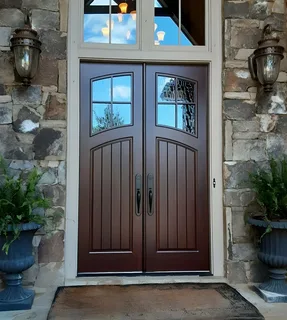
Choosing a new door involves more than selecting a style that matches your home. The right door should fit the opening, support everyday use, provide suitable privacy, and handle local weather conditions. Homeowners in Rocklin and Folsom, CA, can benefit from understanding these factors before starting a door replacement or installation project.
Doors serve several purposes throughout a home. Exterior doors help protect against weather and unwanted entry, while interior doors create privacy and separate living spaces. Additionally, the material, finish, hardware, and construction all affect long-term performance. Careful planning can prevent problems such as sticking doors, uneven gaps, and poor alignment.
Before investing in reliable custom door installations, consider how each door will function within your home. A front entry door may require greater security and weather resistance, whereas a bedroom door might prioritize privacy and appearance. Your available budget, existing frame, and preferred design will also influence your decision.
Capital Carpentry understands the value of selecting doors that balance appearance with practical needs. By reviewing your options before work begins, you can make informed decisions about materials, measurements, and installation requirements. The following guide explains what homeowners should consider when planning a custom door project, from choosing the right design to preparing for professional installation.
Understanding Your Door Style and Functional Needs
Every doorway has a purpose, so begin by identifying what you need from the new door. A design that works well for a front entrance may not suit a bathroom, pantry, or home office. Therefore, consider the location, daily traffic, privacy requirements, and available space before choosing a style.
Matching Door Designs to Different Rooms
Panel doors offer a traditional appearance, while flush doors create a simple, modern look. Glass-paneled designs allow natural light to pass between rooms. However, they may provide less privacy than solid doors unless you select frosted or textured glass.
Sliding doors can help when a swinging door would interfere with furniture. Likewise, pocket doors slide into the wall and work well in compact areas, although they require suitable wall construction. For entryways, decorative designs can improve curb appeal while supporting security and weather protection.
Homeowners considering expert custom door installations services should also think about how the door will feel during everyday use. A heavy door may require stronger hinges and a suitable frame. Meanwhile, a frequently used hallway door should open smoothly without obstructing nearby furniture.
Consider these practical points before making your selection:
- Identify the door’s main purpose, such as privacy, security, or light control.
- Check the available clearance for swinging, sliding, or folding doors.
- Match the design to the home’s existing trim and architectural style.
- Consider accessibility and ease of operation for household members.
- Review hardware options, including handles, hinges, locks, and latches.
Ultimately, a suitable door should complement the room without making everyday movement difficult. A little planning can help you avoid choosing a design that looks attractive but performs poorly in its intended location.
Selecting Materials for California Homes
Door materials influence durability, maintenance, insulation, and overall cost. Rocklin and Folsom experience warm, dry summers and cooler, wetter periods during the year. Consequently, homeowners should consider temperature changes, direct sunlight, moisture exposure, and the door’s location when comparing materials.
Choosing Reliable Custom Door Installations for Long-Term Performance
The best material depends on the door’s purpose and the home’s conditions. Solid wood offers natural character and can suit traditional or contemporary designs. However, wood may expand or contract with changes in humidity and temperature. Protective finishes and routine maintenance help preserve its appearance.
Fiberglass doors can provide good insulation and resist many common weather-related problems. Steel doors often suit homeowners who prioritize strength and security, although exposed surfaces may need attention to prevent corrosion. Engineered wood and composite options can offer a balance between appearance, stability, and cost.
When evaluating professional custom door installation services, ask how the proposed material will perform in your specific location. Exterior doors exposed to direct afternoon sunlight may need finishes designed for that exposure. Similarly, bathroom doors benefit from materials and finishes suited to humid indoor conditions.
Use these five checks when comparing materials:
- Durability: Ask how the material handles everyday wear and temperature changes.
- Maintenance: Review cleaning, repainting, sealing, and repair requirements.
- Insulation: Check the door’s construction, weatherstripping, and available performance ratings.
- Security: Consider the door’s strength, lock compatibility, and frame condition.
- Budget: Compare the initial price with expected maintenance and replacement costs.
No single material suits every home. Therefore, compare the complete door system rather than judging products by appearance or price alone. A well-selected door with suitable installation details can provide dependable performance for years.
Taking Accurate Measurements Before Ordering
Correct measurements are essential because custom doors are made to suit particular openings and design requirements. Even a small measurement error can create installation delays, unexpected adjustments, or gaps around the door. Before ordering, determine whether you are replacing an existing slab or changing the entire door unit.
Understanding the Door Opening and Frame
A door slab is the movable panel itself, while a prehung door typically includes the panel, frame, and hinges. This distinction matters because a replacement slab must match the existing frame and hinge positions. A prehung unit may be more suitable when the frame is damaged or badly out of alignment.
Before confirming an order, inspect the opening, frame, floor clearance, and surrounding trim. Older homes may have openings that are not perfectly square. Therefore, a professional should check the measurements at several points instead of relying on one width and height reading.
Keep these five measurement considerations in mind:
- Measure the opening’s width at the top, middle, and bottom.
- Check the height on both sides and account for the finished flooring.
- Measure the frame depth to confirm compatibility with the wall.
- Identify the hinge side and the direction in which the door should swing.
- Inspect the frame for rot, cracks, loose hinges, or other damage.
Additionally, confirm the manufacturer’s measurement instructions before placing an order. Different door types may require different measuring methods.
Accurate measurements help prevent costly mistakes, but they cannot resolve every installation issue. Uneven floors, damaged framing, and previous renovation work may require adjustments. A thorough inspection before manufacturing gives homeowners a clearer understanding of the work involved.
Planning Installation, Hardware, and Finishing Details
A successful door project depends on more than the door panel. The frame, hinges, locks, handles, weatherstripping, and finish must work together. Furthermore, installation planning helps reduce disruption and ensures that the new door suits the home’s existing layout.
Preparing the Opening and Choosing Suitable Hardware
Before installation begins, clear the surrounding area and protect nearby floors and furniture. If the project involves an exterior entrance, plan how the home will remain secure while the old door is removed. Also, discuss how the installer will handle damaged framing or unexpected adjustments.
Homeowners exploring affordable custom door installation services should compare the full project scope rather than the quoted labor price alone. One estimate may include disposal, trim, hardware, and finishing, while another may exclude these items.
Consider these five preparation steps:
- Confirm the installation date, expected duration, and work area.
- Verify whether the price includes removal and disposal of the old door.
- Select compatible hinges, handles, locks, and other hardware.
- Discuss weatherstripping and threshold requirements for exterior doors.
- Confirm who will complete painting, staining, caulking, and final cleanup.
Hardware selection deserves particular attention. Heavy doors may need hinges rated for their weight, while exterior entrances require suitable locks and secure strike plates. Likewise, weatherstripping should fit correctly without making the door difficult to close.
After installation, test the door several times. It should open and close smoothly, latch properly, and maintain even gaps around the frame. For exterior units, check the seals and threshold for visible gaps. Addressing these details before the installer leaves can prevent avoidable callbacks and improve everyday performance.
Evaluating Costs, Timelines, and Installer Qualifications
Custom door projects vary in price because every opening, material, and design presents different requirements. A straightforward interior door replacement may involve less work than a new exterior entrance with structural repairs. Therefore, request a detailed estimate before committing to the project.
Comparing Estimates and Understanding the Scope of Work
The door itself is only one part of the total cost. Measurements, manufacturing, delivery, labor, hardware, trim, finishing, and disposal can all affect the final amount. Additionally, special sizes, decorative glass, premium materials, and frame repairs may increase the budget.
When reviewing reliable custom door installations in Folsom ask the installer to explain the proposed process and identify any assumptions in the estimate. A clear quote should distinguish included services from optional upgrades and potential additional charges.
Use these five checks when evaluating a contractor:
- Experience: Ask about previous projects involving similar doors and openings.
- References: Review relevant customer feedback and examples of completed work.
- Written estimates: Request itemized pricing and a description of the installation scope.
- Credentials: Verify applicable licensing, insurance, and local requirements.
- Warranty terms: Understand coverage for materials, hardware, and installation labor.
Timelines also deserve attention. Standard doors may be available quickly, while custom sizes and specialty finishes can require additional manufacturing time. Consequently, confirm delivery dates before scheduling other renovation work.
Capital Carpentry can be considered as part of your research when evaluating options for a custom door project. As with any contractor, homeowners should discuss measurements, materials, installation details, pricing, and warranty coverage directly before making a decision.
A lower quote does not always represent better value. Compare the quality of the proposed materials, the work included, and the contractor’s communication. These details help you judge whether an estimate meets your needs and budget.
Conclusion: Making an Informed Custom Door Decision
Installing a custom door can improve your home’s appearance, functionality, privacy, and comfort. However, the best results begin with careful planning. Before ordering, consider the door’s purpose, material, measurements, hardware, and compatibility with the existing frame.
Homeowners should also account for Rocklin’s and Folsom’s seasonal weather conditions when choosing exterior doors. Suitable materials, protective finishes, and properly fitted weatherstripping can help manage exposure to heat, moisture, and drafts. Meanwhile, interior doors should support the privacy, space requirements, and daily routines of the rooms they serve.
If you are comparing options, look beyond the initial purchase price. Ask for a clear estimate, review the installer’s experience, and confirm which services the quote includes. In addition, discuss potential frame repairs and finishing work before installation begins. These steps can reduce uncertainty and help you prepare a realistic budget.
Choosing expert custom door installation services in Rocklin can help you plan a door project around your home’s specific requirements. Take time to compare materials, inspect the opening, and understand the proposed installation process. A well-fitted door should operate smoothly, close securely, and complement the surrounding architecture.
Ultimately, informed decisions make it easier to balance design preferences with long-term performance. By addressing the practical details before work begins, you can choose a door that suits your home and serves its intended purpose for years to come.
FAQs
What should I consider before installing a custom door?
Consider the door’s purpose, measurements, material, design, hardware, budget, and compatibility with the existing frame.
Which door material works well for homes in Rocklin, CA?
Fiberglass, steel, solid wood, and engineered materials can all work well. The best choice depends on exposure, maintenance preferences, insulation needs, and budget.
How long does custom door installation take?
A straightforward replacement may take a few hours, while complex projects involving custom manufacturing or frame repairs can take longer. Confirm the expected timeline with your installer.
Can I replace only the door slab instead of the entire frame?
Yes, if the existing frame is sound and the replacement slab matches its dimensions, hinge positions, and hardware requirements.
How can I compare custom door installation estimates?
Compare material specifications, labor, hardware, removal, disposal, finishing, warranties, and any additional charges rather than looking at the total price alone.